Disease landscape
Cardiology
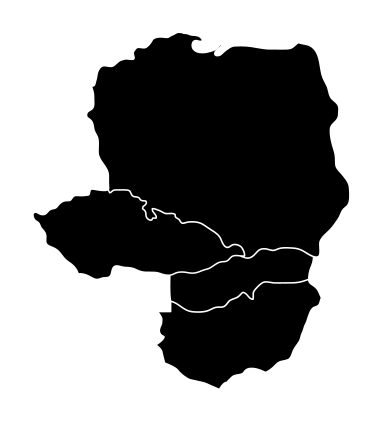
Across all countries of the Visegrad Group (V4), significant limitations in access to the diagnosis and treatment of cardiovascular and related diseases were identified, as measured by the GAP indicator. The gap between the highest — and lowest-scoring countries — namely Slovakia and Poland, respectively — amounts to 28 points. The main driver of the V4’s unsatisfactory performance is the markedly limited availability of some of the assessed therapies, as well as the low, or at best moderate, proportion of patients with heart failure treated with the latest medications.
Cross-Country
General GAP for Cardiology
Compliance with guidelines
Almost all recently approved medicines used in the cardiovascular and related disease area are recommended in clinical practice guidelines. However, their availability in the V4 countries remains limited—depending on the country, publicly funded access is available for only 50–70% of the latest recommended treatment options in this therapeutic area.
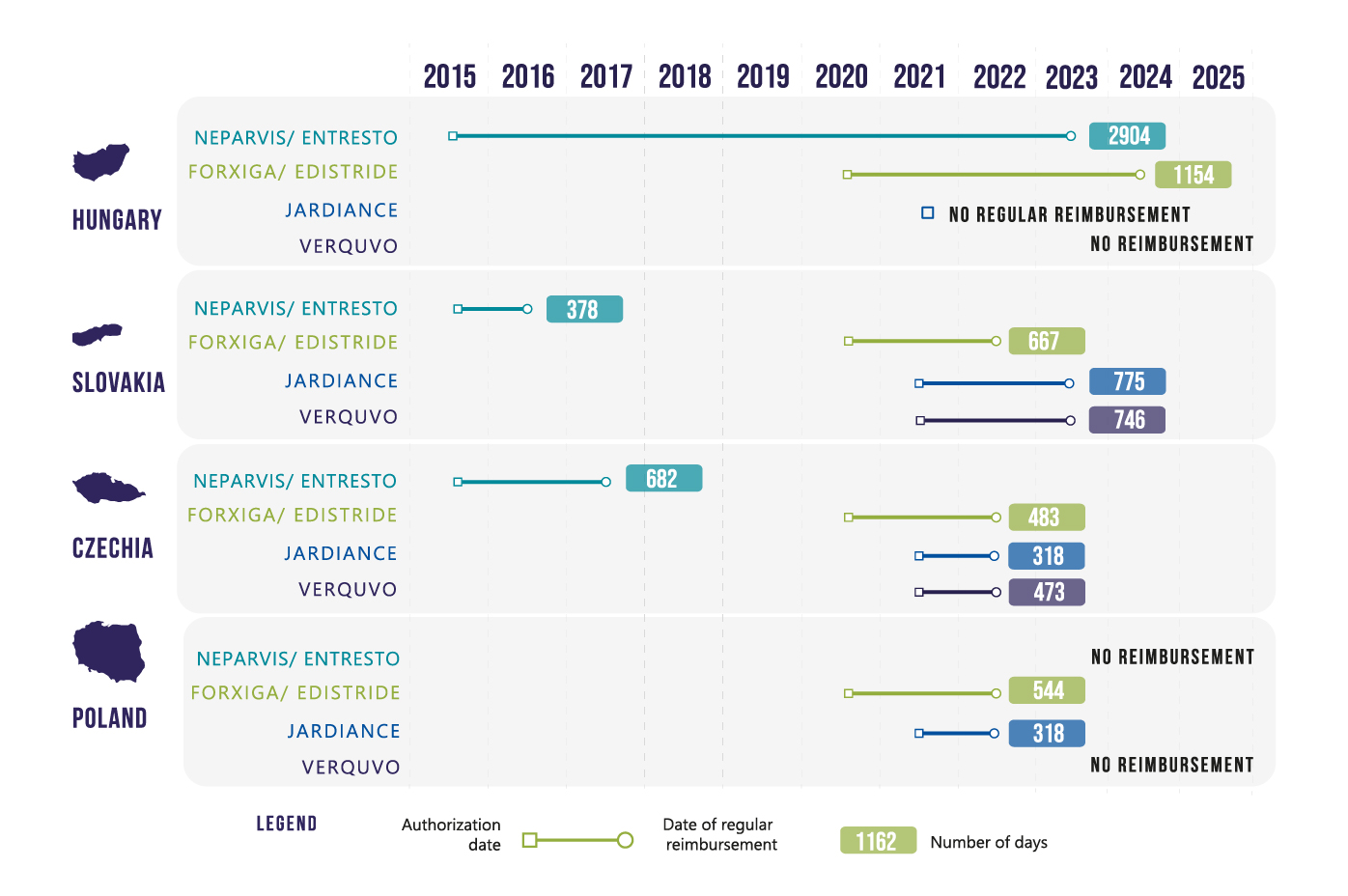
From registration to reimbursement
Population burden
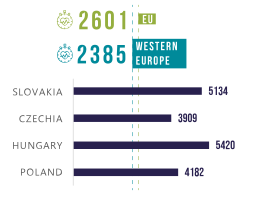
DALY* - Rate per 100k
*disability adjusted life-years
Target population
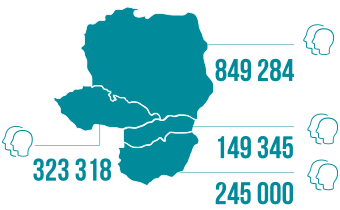
heart failure prevalence
Drug access
Number of patients treated (2024)
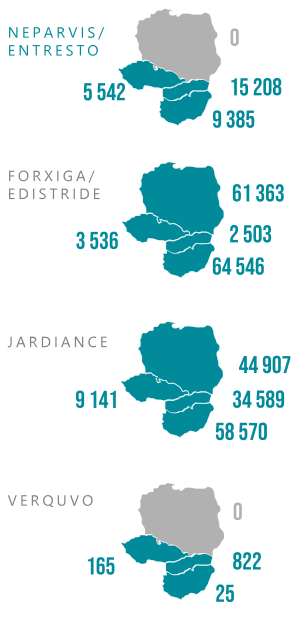
Drug access
POPULATION treated - selected drugs (%)*
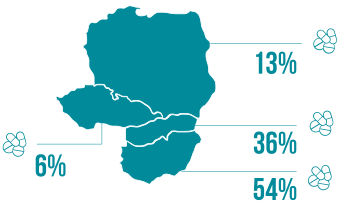
*percentage of the population potentially eligible for treatment with the selected drugs
Main issues
- The average time to reimbursement for medicines used in cardiovascular and related diseases in the V4 countries is 2.7 years. The difference between the shortest and longest average reimbursement time across countries is 3.1 years.
- The proportion of heart failure patients treated with the newest medicines was very low in the Czech Republic and Poland, estimated at 6–13%, whereas it was 36% in Slovakia and 54% in Hungary.
- The burden of cardiovascular diseases measured in DALYs is very high in all V4 countries. In the Czech Republic and Poland, the estimated number of DALYs per 100,000 population is 50–60% higher than the EU average, whereas in Slovakia and Hungary it is twice as high as the EU average.

Project
We measured the gap in innovative drug access and diagnostics in selected therapeutic areas in the Visegrád (V4) countries (Poland, Hungary, Czechia and Slovakia).